The most powerful step towards change is one small action.
It’s not a big goal. Goals as starting points provoke a “should”. And “shoulds” rarely happen.
It’s not a belief. Beliefs aren’t enough to lead to corresponding actions.
It’s not a detailed plan. Plans are great, but as a starting point they throw people off.
It’s a small step that inspires someone to keep going
Tiny actions allow you to grow into your desired change, even if you don’t yet have a full vision of where that change will lead you. A tiny action makes you realise that you’ve got what it takes. That first step changes who you believe you are and what you’re capable of, as you watch yourself becoming the person you want to grow into. And each small step increases your confidence to act bolder towards a fulfilling goal.
What’s more, your change inspires others to follow suit, because suddenly it seems doable.
So if you want to be an effective change leader, focus on small steps, and start with yourself and your leadership team.
Let’s take the example of climate leadership and climate action
We have
- Big goals (professed emissions goals)
- Beliefs (eg. technology will save the day) activate some, but discourage many others from action
- Detailed plans for climate action
Yet in response, people tend to point at others.
Rather than changing consuming and production habits, or policies, people point at “the others”, be they
- Consumers
- Companies
- Countries
Other people look away.
However, not all people who look away don’t care. On the contrary, many of them simply
- feel overwhelmed by the scale of the problem, or
- are turned off by the fear and the recriminations that are part of the climate conversation.
Before we come to how leading with small actionable steps can look like in this context, let’s acknowledge: Many positive climate actions are happening every day, everywhere in the world. Many people are already making a difference, be they consumers, producers, or people in government.
And this is such a complex matter, deeply rooted in the consuming and production systems we have created for ourselves. But that’s exactly why everyone’s leadership matters, including yours.
So what can you do to lead change despite these predicaments?
Lead by example and make it easy to follow you.
We had the privilege to experience great climate leadership recently at an event that brought together a regional community.
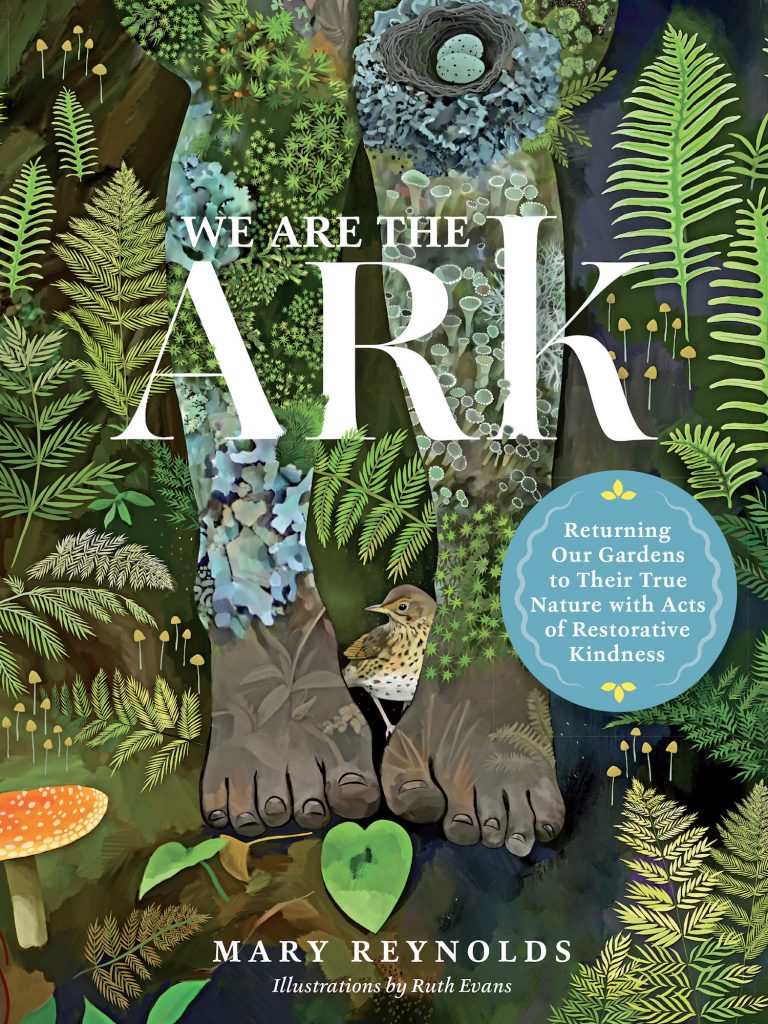
Last weekend, The Gathering invited the inspiring Mary Reynolds who has sparked the growing movement We Are the ARK (ARK stands for Acts of Regenerative Kindness).
The focus of the gathering was on biodiversity loss. And after a talk packed with education and inspiration, Mary Reynolds made clear how each and every one of us can easily take action to stop the dramatic loss of species around us and even bring some back.
We’re not just talking about the birds and the bees, but about the uncounted creatures which provide our livelihood, which clean our soil and water, which fertilise our grounds, which pollinate our plants and detox our environment. Mostly hidden from our view, these creatures are doing this daily labour so we can sustain ourselves.
No matter how big the problem, make your message empowering
Although the pace of biodiversity loss around us is alarming, Mary’s message was empowering.
No matter what little space you have, even if it is a window sill, you can create a small ARK by planting local plants, by letting go of tidying your garden all the time, and thereby creating little refuges for the life around you.
Everyone can do that.
When the problem is huge, start small
Keep it simple.
Your small Act of Regenerative Kindness counts.
And it will be rewarding as you will see the impact of your action quickly, as life returns to your refuge.
Which will spur you on to take the next small step.
It won’t be long before your neighbours will follow suit as they get inspired by your climate leadership. And because we tend to do as our neighbours do.
So you can start the change!
Curious about how to create an ARK? Here are small steps you can take, all taken from the WeAreTheArk:
- Let things die. (I love this one: allowing myself to lean back with a good conscience!)
Resist the urge to “tidy up” nature. Here’s why: A living mature oak supports over 500 species of life, but a dead or dying tree supports thousands! Leave the dead leaves, branches and old growth as well. They provide refuge. - Embrace the wild, native plants.
Dandelions are actually beautiful. Children love them! - If you seed plants, choose native seed mixes over the garden centre wildflower mixes. These tend to take over, and local birds and insects live in symbiosis with local plants, not with imported ones.
Whatever grows wild in your part of the earth is what you want to see growing. - Drill a hole into your fence. It creates a safe passage from garden to garden for hedgehogs and other wildlife.
If you let nature alone, after a little while it restores itself. All it needs is a little sanctuary that you can easily provide. It will bring you more bird song and the pleasure to watch some local wildlife.
What can this example of leading change with small actions that tackle a huge problem such as biodiversity loss teach us about sustainable change leadership?
It is counterintuitive, but when your leadership challenge is big, start small.
Small actions will lead you to big change.
And how often has the big big plan done that for you when the challenge was complex?
Over to you: