Ever feel like your team has one foot on the gas and one on the brake?
One moment they are buzzing with ideas, and the next they are stuck in their inbox like it is quicksand?
You are not alone, and there is a brain-based reason for it.
Leading a team is not just about tasks and targets. It is also about learning to toggle between two powerful brain networks and the emotional states that come with them.
Let me introduce you to the four key players in this mental and emotional cast of characters.
Meet the Cast
DMN – The Daydreamer
The Default Mode Network lights up when you are imagining the future, reflecting on your values, or thinking about your team’s purpose while staring out the window. Yes, that counts as work.
TPN – The To-Do List Ninja
The Task Positive Network switches on when you are getting things done, solving problems, or asking for that spreadsheet one more time. It is sharp, focused, and allergic to small talk.
PEA – The Motivator
The Positive Emotional Attractor brings hope, connection, and possibility. It broadens vision and perspective. It shows up when you talk about the big why, celebrate wins, or ask your team how they are really doing.
NEA – The Urgent One
The Negative Emotional Attractor brings pressure and urgency. It sharpens focus, but it can also create tunnel vision, tension, and those passive-aggressive Slack messages we all know too well.
What’s the Plot?
Effective leadership means learning to direct this cast in yourself and in your team.
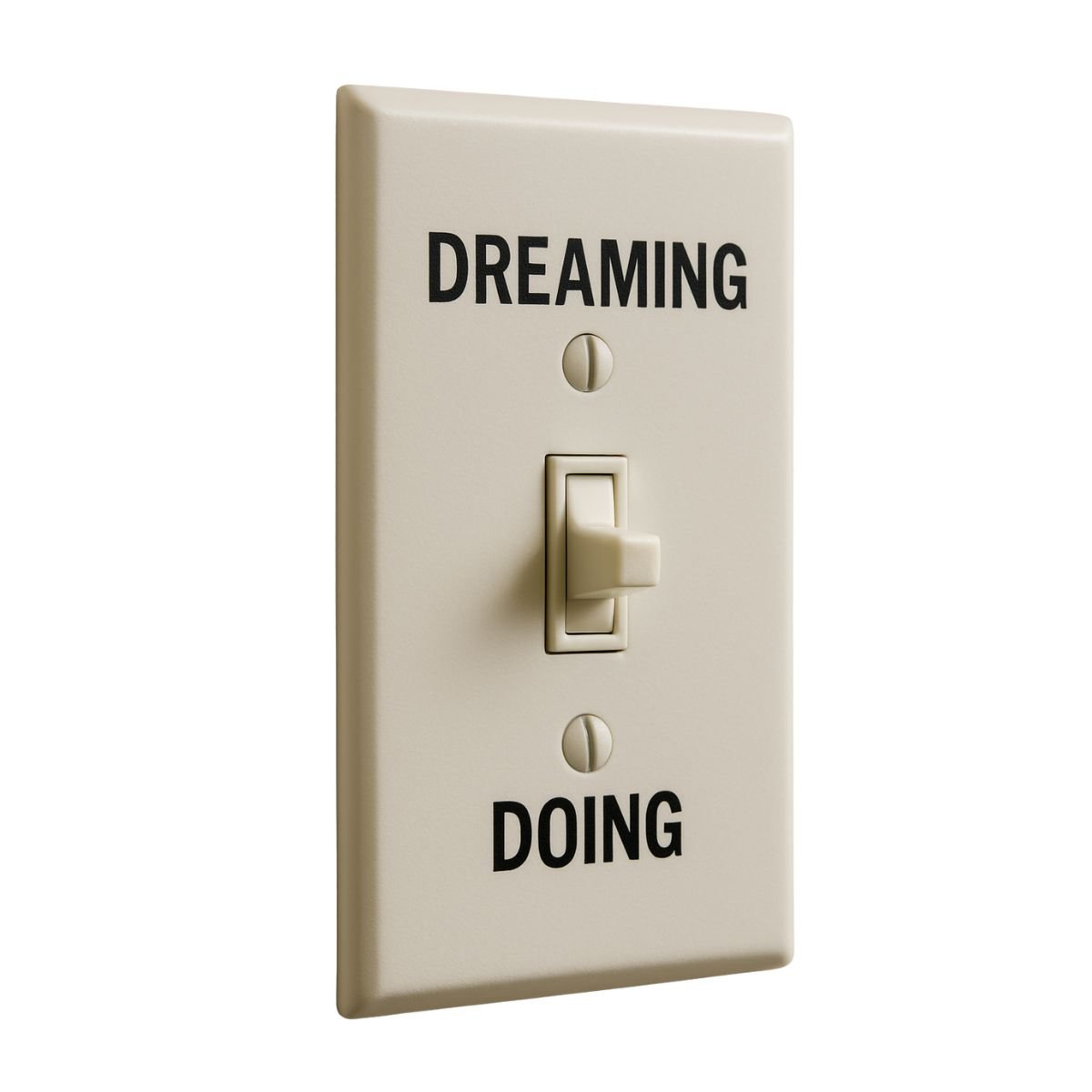
Because DMN and PEA help your team dream, while TPN and NEA help them achieve the dream.
While they are complimentary, they do not like to be on stage at the same time.
Try solving a budget shortfall while imagining your 10-year strategy. It is like hosting a jazz night in the middle of a fire drill.
This is how to direct them:
1. Start in PEA/DMN: Light the Fire
- Begin your team meeting with a quick win, a story, or a reminder of the mission.
- Ask: “If we brought our best, what might be possible?”
- DMN comes online. People lift their heads. Eyes sparkle. (Okay, maybe just a little.)
2. Move into NEA/TPN: Sharpen the Focus
- Now talk targets, timelines, and ownership.
- Ask: “What are the blockers? Where do we need tighter execution?”
- TPN takes the wheel. The to-do list appears. Things get real.
3. End in PEA/DMN: Land with the Heart
- Circle back to connection. Acknowledge effort. Reinforce purpose.
- Ask: “What did you learn today? What do you feel proud of?”
- This leaves your team recharged.
The Sweet Spot is Switch Mastery
Engaged teams do not live in a single mode. They cycle between focus and vision, pressure and purpose, challenge and celebration.
Great leaders learn when to switch and how to bring others with them.
So the next time you walk into a meeting, pause and ask yourself,
Which state does this moment call for, dreaming, doing, or both?
How are you helping your team move between vision and execution without burning out or stalling out?
Let me know how you are navigating the switch.